
Petya Biolcheva,
Sotir Ivanov
University of National and World Economy (Bulgaria)
https://doi.org/10.53656/ped2026-2.02
Abstract. Intelligent technologies are entering the educational processes, both directly with the introduction of a number of digital tools creating higher interaction, and indirectly, through numerous intelligent tools analyzing and stimulating the learning environment. The subject of consideration in this material is namely such an indirect intelligent model, which monitors and analyzes the attention, interest and concentration of students in large halls during face-to-face training and real interaction between a teacher and a large group of students. In it, the intelligent technology analyzes the behavior of each individual student and gives recommendations to the teacher if there is a need to change the methodology and or teaching techniques, in order to maximally retain the attention of the audience. The paper reveals a roadmap for the application of the author’s IMMAsac model , as well as the benefits of its implementation.
Keywords: concentration, teaching, smart technologies, education
- Introduction
Professional-pedagogical communication as a special form of teacher-student interaction (Filimonova et al., 2019) is essential for the effectiveness of the learning process. A number of modern theories advocate the approach that pedagogical communication in a university environment is based on productive dialogue and interaction, understanding and partnership between teacher and student. An important clarification is that the student is considered as an equal and active participant in the learning process (Filimonova et al., 2019). However, achieving effective learning in a student environment requires monitoring a number of indicators. Among them, the participation and interaction between student and teacher during the lesson play a key role. Classroom engagement is directly related to the approach and style of teaching and the quality of teaching, the learning atmosphere, the frequency of participation of students attending classes, the institutional environment, etc. (Sun et al., 2021). In addition to conveying knowledge in an accessible and engaging way, the teacher is required to analyze and evaluate the behavior of students to ensure that they are sufficiently engaged in the learning process. To support this process, modern classroom systems and innovative technologies for greater integration are entering educational institutions. They significantly increase interest, but do not guarantee that student attention is optimal. Therefore, good teachers must monitor all students in the lecture hall and adapt to their requirements in order to stimulate their attention during training (Trabelsi et al., 2023). With larger audiences, this process is difficult to implement (Trabelsi et al., 2023). This requires us to consider using intelligent technologies based primarily on AI and Machine Learning to recognize emotional state and engagement during the learning process. The effective application of intelligent technologies has the potential to transform teaching. Intelligent systems in the learning process can analyze parameters such as facial expressions, physiological signals, tone and other biological indicators to identify emotions such as interest, boredom, stress, curiosity or disappointment. This would allow the teacher to take appropriate actions.
The literature review shows that most scientific materials emphasize the digitalization of education in the form of online learning and the provision of digital learning resources (Chen and Wu, 2017), (Kravchenko and Cass, 2017) . This paper discusses the use of intelligent tools in classroom learning with a live connection between a teacher and an audience with students. The main research question is how to establish the real concentration and interest of students in a student environment using intelligent tools? To find an answer below, the following parts of the material sequentially consider: a literature review, which presents the background of intelligent technologies in education; background of teaching methods and attention retention in a university environment; and AI as a means of monitoring concentration and attention. Based on them, a methodology has been developed for creating an intelligent model for monitoring and analyzing student attention and concentration called IMMAsac. In the form of results, a roadmap is defined, providing information for the application of the model. The paper ends with a discussion and conclusion.
- Literature review
2.1. Background of intelligent technologies in education
In the context of the modern knowledge society, digital transformation and the use of smart technologies should be considered as a critical process in which knowledge production and information processing are carried out through information technologies such as virtual reality, video integration of online learning, gamification and big data (Orellana et al., 2019). Moreover, the success of universities will be increasingly determined by their ability to create and collect information in an appropriate way such as student engagement, achievement of results, satisfaction, etc. (Balyer and Öz, 2018). For this reason and a number of others, intelligent technologies in education are already part of the ecosystem of modern education (Alenezi, 2023) . They provide a set of tools that are included in different levels of the educational process. Trends in higher education institutions show an increased interest in digitalization. Moreover, it appears as one of the main prerequisites for success, for those who want to attract strong students and maintain high quality of education (Gurung and Rutledge, 2014) . Digitalization offers information and knowledge covering a wide variety of topics that can be obtained from different platforms, open source databases and web browsers, applications, encyclopedias (Valdés and Cerdá Suárez, 2021) , which allow users to access at any time. A study by Alenezi (2023) indicates that if higher education institutions are not sufficiently adaptable to digitalization, they will soon disappear from the scene and interest in them will drop significantly, which will also lead to low competitiveness and student attrition. At the same time, the period of transformation is accompanied by a number of challenges. Zhao and al. (2018) found that among the most serious problems is the motivation of teachers to change their teaching methods and styles. Keta and Sinaj, (2026) identify the age of professors as a leading factor for digitalization at the level of the course taught. They found a significant difference between the age of teachers and their attitude towards smart tools. Next, challenges arise in the digital code of ethics. Not only the use of smart tools, but also how they can be used without violating the code of ethics (Keta and Sinaj, 2026). Despite the challenges, ensuring access to modern technologies, as well as basic education in the field of digitalization, are a priority for action at all levels (Chmielecki, 2024). It should be noted here that the transformation is mainly associated with electronic resources and interactive technologies that make the learning process more interesting for learners.
2.2. Background on the methods for teaching and retention on attention in a university environment
In addition to technology in education, contact and interaction between all learners and their teacher are important. and the learning content. It turns out that didactic lectures are widely used. In them, student engagement is reduced to passive listening, but their interest begins to decrease only 10 minutes after the start of the lecture (Farley et al., 2013). Another approach is active learning requiring engagement between students and the teacher. They are most often conducted in the form of solving cases. In them, engagement and attention are higher and increase the quality of the lecture (Alkhattab, 2012). The main role of interaction in the hall is that of the teacher, who should stimulate analytical thinking, conducting analyses, syntheses and assessments. Teachers should develop critical and reflective thinking among students (Kravchenko and Cass, 2017). Jong (2010) argues that cooperative learning, feedback, and adaptive instructions have the greatest effect on learning. Alkhattab (2012) explores humor as a technique for stimulating attention among learners. According to him, the use of funny professional stories, funny comments, and jokes that relate to the content of the lecture increase students’ attention. Despite the demonstrated techniques for maintaining the concentration and attention of students in large halls with a large number of students, it is difficult for the teacher to interact with each of them and monitor their concentration individually. This requires us to think about approaches that are applicable to large audiences, helping teachers to adapt more easily to the requirements of the learners. For this reason, in this material we focus on intelligent technologies that can be introduced into the classroom, not as a direct technology for learning, but as an indirect one, showing the level of perception of the learning material, attention, and concentration of the students. This will enable teachers to take more adequate measures, simplify the presentation or increase the level of complexity, according to the needs of the students. In order to develop a methodology for using intelligent technologies in the classroom to monitor the concentration and interest of students, first of all it is necessary to consider what is the level of such technologies available and how they can be adapted for our purposes.
2.3. AI as a tool for monitoring concentration and attention
The idea of monitoring student engagement is an issue that has been explored by various scholars, although there is not a very rich data set on the topic. A search of various scientific databases revealed several attempts to introduce intelligent technologies into the classroom (Willermark and Gellerstedt, 2022), (Trabelsi et al., 2023). Trabelsi et al. (2023) provide information on automatic attendance and innovative assessment systems, such as automated grading and feedback with the teacher. Guan at al. (2020) use AI systems for assessment on the students, for yes help on the teachers to evaluate and analyze the whole their presentation. Various methods are also available using computer vision to recognize facial expressions, body posture, gaze direction, body movements, to assess student engagement1) (Canedo at al., 2018) assessed students’ attention by analyzing head postures obtained from a camera using convolutional neural networks (CNN). A similar experiment was also conducted using 3D cameras registering attention through facial recognition with sets of different sensors (Kinect, 2017). Next, accurate results, but more difficult to implement, can be obtained by using electroencephalogram (EEG) or brain wave signals, and incorporating additional enhancement technologies. Thus, a study by Chen and his team (2017) shows that attention can be measured by the amplitudes and frequencies of intentional and unintentional EEG signals to identify levels of attention. Another interesting study on the topic was conducted by Ngoc Anh 2019, which analyzes both body movements and gaze direction of students during a lecture. Thus, he finds that students can be grouped into different behavioral patterns with common and/or similar characteristics. Another alternative for monitoring student attention is proposed in a study by Zhu (2018), who places smart bracelets on students’ wrists, in which he embeds inertial measurement modules and PPG sensors. From all these studies, it can be concluded that efforts are being made to monitor and study student engagement and attention. The question remains as to how much students would be willing to wear sensor bracelets, or to have their brain waves examined. Most likely, for a specific study, the answer is yes, but in their daily learning process, the answer is yes. There is another emerging question, if they know that they are being monitored and analyzed, through various devices on them, will this not lead to distortion of the results obtained. For the authors of this material, it is important that the process of observing students’ concentration during a lecture is not stressful or intrusive, it aims to provide feedback to the teacher and improve communication in a learning environment. For this reason, we believe that the observation should be imperceptible to the audience and not lead to distortions in normal behavior. This direction was also used as a leading factor in the development of the subsequent author’s model.
- Research methodology
The methodology of the scientific research provides information on the development of an intelligent model for monitoring and analyzing student attention and concentration (IMMAsac). It is an expression of the author’s views on increasing the effectiveness of lecture courses through the use of intelligent tools based on artificial intelligence, aimed at measuring and analyzing student attention and concentration. In the context of the requirements of the author’s methodology, it is necessary to pay attention to three key concepts that constantly interact: attention, interest and concentration. Attention is a mental process by which mental energy is directed towards a specific object, activity or thought, while other stimuli are ignored by the learner; interest is an internal, emotional inclination towards a specific topic, activity or object, which stimulates attention and maintains the motivation to engage with it; and concentration is the sustained attention directed towards a specific activity or thought for a prolonged period of time, excluding distracting factors2).
IMMAsac was developed in response to the need for high-quality education in higher education institutions and improving the learning environment. The methodology for applying the model is presented at a conceptual level, without affecting the specific mechanism of functionality of AI and a group of intelligent tools, as well as the algorithms with which they work. The purpose of IMMAsac is to show the mechanism for monitoring and analyzing students. The basis for its development is the need to conduct quality lectures in classrooms with a large number of students. With its help, teachers will have a more complete interaction with students, taking into account when they understand the material being taught, when it is necessary to take certain measures to strengthen their engagement, etc.
The main tools used in the work of IMMAsac are AI, ML, Computer Vision, ontological analysis, etc. The functionality of IMMAsac is aimed at conducting intelligent analysis and drawing conclusions in the form of specific recommendations to the teacher, when establishing a decrease in interest in the taught material. IMMAsac focuses on creating a balanced learning environment, with increased levels of attention, and hence more motivated and effective students and teachers. By implementing IMMAsac in the learning process, universities can increase student satisfaction, and hence their overall competitiveness (Biolcheva, Valchev, 2023).
A limitation should be placed here that purely technological intelligent solutions are not considered. The methodology for applying the method is conceptual in nature.
- Results
For easier perception, a roadmap for implementing IMMAsac is shown here.
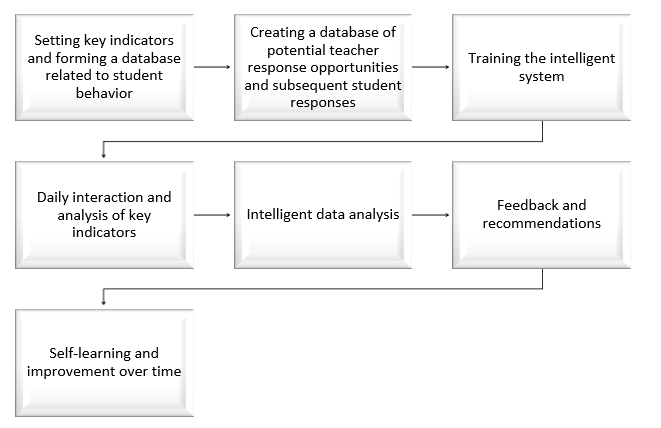
Figure 1. Roadmap for implementing IMMAsac
For the successful functioning of the IMMAsac model, it is necessary to start with an analysis of the main types of student reactions, distinguished by different indicators. The model relies on six different types of indicators, which, analyzed in their entirety, build the profile of behavior, engagement and cognitive response of the learners. These indicators are reduced to:
– Physical indicators: maintaining eye contact with the teacher, body position (e.g., standing upright, leaning forward, active gestures);
– Interactivity: frequency of participation in discussions and asking questions, time to complete a specific task, the way they contribute to the overall teamwork during the performance of a specific task;
– Taking notes;
– Nonverbal behavior: signs of distraction such as looking at the phone, talking to colleagues, looking out the window;
– Stimulus responses: the way students respond to questions, examples, or teacher remarks;
– Concentration span: how long students maintain their attention without noticeable distraction.
Information about each person in the classroom according to the indicated indicators is obtained using intelligent cameras equipped with computer vision, located in all main parts of the hall, so as to have a view of each person being studied.
For the model to function, a database needs to be created. The initial data set is formed during pilot studies when testing the model. Thanks to the built-in machine learning using deep neural networks, the data is developed and the subsequent analysis of their development is improved. The stability of the database is guaranteed against historical and current data of all studied students based on the real learning environment and the set factors for concentration. This means that a preliminary analysis of each student is possible using ML based on historical and current data compared with ontological, social and applied psychological analysis and intelligent one.
The second step in the application of the model is related to the formation of a database of teacher response and feedback related to increasing student attention. To form this database, it is necessary to form initial information from conducting pilot studies. At this point, it is necessary to observe the reactions of individual types of students to a change in the teacher’s teaching approach. What works and what does not work under certain circumstances (for example, potential teacher reactions can be associated with giving a practical example presented with a dose of humor, a remark emphasizing importance; giving a team case study for analysis, providing additional explanations, raising the level and intensity of the course material, etc.). It should be noted here that the principles apply to this database, as well as to the previous one. The data collected is used to form a historical base, and in a real environment the system is developed and improved.
The third step of the roadmap is training the intelligent system. This is where the real mechanisms of ML and AI come into play . An intelligent system is a complex set of technological and social factors. Based on the above information, the interaction of ML and AI from the perspective of the group and individual identity of the learners. It involves collaboration between the historical data of multiple students, matching similar input parameters for the individual types of behavior of groups of students.
Historical data obtained from pilot studies provide information compatibility with the personal parameters of the individual student. In turn, AI provides maximum comparative accuracy of the parameters based on mathematical and algorithmic analyses. Based on the previous analysis, ML and AI provide maximum accurate information about groups of students, through which a profile of the behavior and interaction of the individual is prepared. Depending on the derived data, the system offers motivational factors to the teacher, such as interventions to enhance attention.
ML and AI technological methodologies with human and corporate judgment provides a complete interactive approach to specific groups of students, combining comprehensive historical information verified by expert judgment.
Daily interaction and analysis of key indicators – at this step of the roadmap, the main interaction between students, the teacher and the intelligent system is carried out. It is important to note that IMMAsac does not engage the attention of students, so that they feel monitored or feel anxious in the learning process. The interaction is carried out through intelligent cameras and computer vision. Computer vision monitors the reactions and interaction on all pre-formed indicators and transmits the information for processing and analysis by ML and AI. In this way, we move on to the next step of the roadmap, namely intelligent data analysis. Its goal is determining individual factors related to emotional state, concentration, physical condition, motivation, activity, etc. of individual learners. Their parameters are evaluated and recommendations are made for changes in the teaching method or the approach to interaction with learners, do they need a short break or additional examples, etc., which indicate only to the teacher. At this point, feedback and recommendations from the teacher should take place. Were the recommendations successful and what result did they give, in case the desired result was not obtained, the teacher can request new alternatives of potential actions for specific students or choose an approach himself, which he can subsequently add to those available in the system. This leads to the last step of the roadmap, which is related to self-learning and improvement over time. In order to achieve high efficiency and sustainability over time, IMMAsac needs to work with a large set of quality data that accumulates over time in a real working environment. This means that with each subsequent interaction, IMMAsac is developing and achieving increasingly better results.
Discussion
Many theoretical frameworks for attention in pedagogical interaction rely on good relationships between participants in the process. Approval, encouragement, and communicative support of learners are necessary components of the pedagogical process and are identified as essential in many studies (Semenova at al. 2016). There is evidence in the scientific literature (Beutel & Denise, 2010) that academic achievement and the development of social skills depend on the quality of the relationship between teacher and student. Based on this theoretical framework, the author’s IMMAsac model was developed. Assessment of selective attention and concentration is important for conducting quality training. In traditional training, teachers themselves refine their teaching techniques according to the requirements and capabilities of specific students. IMMAsac does not deny their professional capabilities, but aims to support them and achieve a better understanding of the teaching material. The question remains controversial as to how much the students will be willing to use it, whether they will not feel underestimated if software offers them a change in the teaching approach. In seeking an answer to this question, we will return to the beginning of this material and say that the same challenges apply here as before digitalization, namely that the older generation of teachers will probably have more inhibitions, which will most likely be quickly overcome in the work process. Although many teachers believe that their judgment is better than that of machines and that emotional intelligence cannot yet be achieved, there are many cases in which there is low student interest and rapid loss of concentration, and hence a reduced quality of learning. In order to create more peace of mind and increase trust among teachers, here are the contributing moments in the interaction between student and teacher that correspond to improving attention and engagement. They can be summarized as follows:
– Personalized feedback in real time – IMMAsac tracks the classroom environment and allows for the collection and analysis of data on the level of student engagement in real time. The teacher receives feedback on the level of student attention during the lecture. This allows him to adapt his teaching style according to student needs, and thus contributes to the implementation of the theory of adaptive learning (Rachmad, 2022).
– Increasing individual engagement – Unlike the traditional passive model of attendance, IMMAsac allows for detailed monitoring of the individual engagement of each student in real time. Students become more active and motivated to participate in the tasks set. This contributes to the development of the theory of social learning (Rumjaun, & Narod, 2025).
– Dynamic discussion moderation – the intelligent model identifies students with a high level of engagement and assists the teacher in directing discussions to them. This creates a sense of recognition, which stimulates further participation and builds trust between participants. In this way, the theory of motivation in learning is also implemented (Urhahne & Wijnia, 2023).
Conclusion
This material shows the need for a change in the education system, moving away from traditional digitalization systems. Using smart tools in the classroom is of great importance for the assimilation of the taught material. The proposed intelligent model for monitoring and analyzing student attention and concentration (IMMAsac) aims to indirectly increase the success of students by maintaining their attention and interest during the entire lecture. The model examines only key indicators of the students’ condition without directly entering their personal space or requiring the placement of various devices on them. The observations and analysis of students are carried out with the sole purpose of offering a better approach (technique) for teaching by the teacher in the event of a drop in student concentration. The introduction of such smart tools in education creates the need for additional scientific research in the field. It is interesting to follow how the intelligent technology for monitoring attention affects the engagement and academic results of students? The author sets as a goal for further studies to examine what the impact of such technologies would be on the behavior and psychology of students? Another interesting study could be how these tools can be used for adaptive learning and identification of areas of difficulty for students? The topic of using intelligent technologies to analyze the attention and concentration of students has many fields that are yet to be studied, developed and entered into the educational process.
Acknowledgements and Funding
This article was financially supported by the UNWE Science Fund (contract No. 6/2025A).
NOTES
- Attentive or not? Toward a machine learning approach to assessing students’ visible engagement in classroom instruction. SpringerLink. Available at: https://link.springer.com/article/10.1007/s10648-019-09514-z
- info.
- Monitoring students’ attention in a classroom through computer vision. Springer Professional. Available at: https://www.springerprofessional.de/en/monitoring-students-attention-in-a-classroom-through-computer-vi/15858720
- Vnimanie: filosofsko i psihologichesko razglezhdane. (n.d.). info. Available at: https://ikant.info/vnimanie/
- 15-TE Vida vnimanie i tehnite harakteristiki. (n.d.). Sainte-Anastasie. Available at: https://bg.sainte-anastasie.org/articles/psicologa/los-15-tipos-de-atencin-y-cules-son-sus-caractersticas.html
REFERENCE
Alenezi, M. (2023). Digital learning and digital institution in higher education. Education Sciences, 13(1), 88. doi.org/10.3390/educsci13010088.
Alkhattab, M. (2012). Humor as a teaching strategy: the effect on students’ educational retention and attention in a nursing baccalaureate classroom. Valparaiso University.
Balyer, A., Öz, Ö. (2018). Academicians’ views on digital transformation in education. International Online Journal of Education and Teaching, 5, 809 – 830.
Beutel, A., Denise, A. (2010). The nature of pedagogic teacher-student interactions: a phenomenographic study. Australian Educational Researcher, 37(2), 77 – 91.
Biolcheva, P., Valchev, E. (2023). Increasing CSR through a methodology for intelligent personal efficiency of employees. Strategies for Policy in Science and Education, 31(6s), 126 – 137. doi.org/10.53656/str2023-6s-11-inc
Canedo, D., Trifan, A., Neves, A. (2018). Monitoring students’ attention in a classroom through computer vision. Communications in Computer and Information Science, 16, 371 – 378. doi.org/10.1007/978-3-319-94779-2_32.
Chen, C., Wu, C. (2015). Effects of different video lecture types on sustained attention, emotion, cognitive load, and learning performance. Computers & Education, 80, 108 – 121. doi.org/10.1016/j.compedu.2014.08.015.
Chen, C., Wang, J., Yu, C. (2017). Assessing the attention levels of students by using a novel attention aware system based on brainwave signals. British Journal of Educational Technology, 48, 348 – 369. doi.org/10.1111/bjet.12359.
Chmielecki, M. (2024). Challenges and threats of higher education in the area of digitization. Scientific Reports of Fire University, 2(90), 17 – 29. doi.org/10.5604/01.3001.0054.5181.
Farley, J., Risko, E. F., Kingstone, A. (2013). Everyday attention and lecture retention: the effects of time, fidgeting, and mind wandering. Frontiers in Psychology, 4, 619.
Filimonova, N., Romanyuk, E., Davydova, M., Popova, A., Mikhaylushkina, O. (2019). Special features of pedagogical communication in a foreign audience at university. In: 1st International Scientific Practical Conference “The Individual and Society in the Modern Geopolitical Environment”, 187 – 192.
Gurung, B., Rutledge, D. (2014). Digital learners and the overlapping of their personal and educational digital engagement. Computers & Education, 77, 91 – 100. doi.org/10.1016/j.compedu.2014.04.012.
Guan, C., Mou, J., Jiang, Z. (2020). Artificial intelligence innovation in education: A twenty-year data-driven historical analysis. International Journal of Innovation Studies, 4(4), 134 – 141. doi.org/10.1016/j.ijis.2020.09.001.
Jong, T. (2010). Cognitive load theory, educational research, and instructional design: some food for thought. Instructional Science, 38(2), 105 – 134. doi.org/10.1007/s11251-009-9110-0.
Keta, M., Sinaj, V. (2021). Problems and challenges of digitalization for university staff: The case of the University of Tirana. Education (NSE), 1.
Kravchenko, M., Cass, A. (2017). Attention retention: ensuring your educational content is engaging your students. In: International Conference on Smart Education and Smart E-Learning, 358 – 370.
Ngoc Anh, B., et al. (2019). Computer-vision based application for student behavior monitoring in classroom. Applied Sciences, 9(2), 4729. doi.org/10.3390/app9224729.
Orellana, V., et al. (2019). Quality evaluation processes and its impulse to digital transformation in Ecuadorian universities. In: 2019 Sixth International Conference on eDemocracy & eGovernment (ICEDEG), 338 – 343. https://doi.org/10.1109/ICEDEG.2019.8734373.
Rachmad, Y. E. (2022). Adaptive Learning Theory.
Rumjaun, A., Narod, F. (2025). Social learning theory – Albert Bandura. In: Science Education in Theory and Practice, 65 – 82.
Semenova, L., et al. (2016). Pedagogical interaction in high school: the structural and functional model of pedagogical interaction. International Journal of Environmental and Science Education, 11(9), 2553 – 2566.
Sun, B., et al. (2021). Student class behavior dataset: A video dataset for recognizing, detecting, and captioning students’ behaviors in classroom scenes. Neural Computing and Applications, 33, 8335 – 8354.
Trabelsi, Z., et al. (2023). Real-time attention monitoring system for classroom: A deep learning approach for student’s behavior recognition. Big Data and Cognitive Computing, 7(1), 48. doi.org/10.3390/bdcc7010048.
Urhahne, D., Wijnia, L. (2023). Theories of motivation in education: An integrative framework. Educational Psychology Review, 35(2), 45.
Valdés, K., Cerdá Suárez, L. (2021). An institutional perspective for evaluating digital transformation in higher education: Insights from the Chilean case. Sustainability, 13(17), 9850. doi.org/10.3390/su13179850.
Willermark, S., Gellerstedt, M. (2022). Facing radical digitalization: Capturing teachers’ transition to virtual classrooms through ideal type experiences. Journal of Educational Computing Research, 60(6), 1351 – 1372. https://doi.org/10.1177/07356331211069424.
Zaletelj, J., Košir, A. (2017). Predicting students’ attention in the classroom from Kinect facial and body features. EURASIP Journal on Image and Video Processing. doi.org/10.1186/s13640-017-0228-8.
Zhao, J., et al. (2018). Learning gender-neutral word embeddings. Cornell University.
Zhu, Z., Ober, S., Jafari, R. (2017). Modeling and detecting student attention and interest level using wearable computers. In: 2017 IEEE 14th International Conference on Wearable and Implantable Body Sensor Networks (BSN), 13 – 18.
Petya Biolcheva
ORCID iD: 0000-0001-9430-773X,
Dr. Sotir Ivanov, Assist. Prof.
Department of Industrial Business
University of National and World Economy
Sofia, Bulgaria
E-mail: p.biolcheva@unwe.bg
E-mail: sotir.ivanov@unwe.bg
>> Download the article as a PDF file <<