
Dr. Zdravko Z. Taralov
Corresponding author
ORCID iD: 0000-0002-0410-8145
Pathophysiology Department
Medical University of Plovdiv
Plovdiv, Bulgaria
Е-mail: ztaralov@pathophysiology.info
Dr. Aglika Byandova
ORCID iD: 0009-0007-1123-6149
Pathophysiology Department
Medical University of Plovdiv
Plovdiv, Bulgaria
Е-mail: abyandova@pathophysiology.info
Dr. Petar Dimov
ORCID iD: 0000-0003-2265-8850
Pathophysiology Department
Medical University of Plovdiv
Plovdiv, Bulgaria
Е-mail: pdimov@pathophysiology.info
https://doi.org/10.53656/ctpes-2026.ZT

Pages 155-165
Abstract. It is well known that the improvement of the sport performance is a result of applied stress (training), followed by sufficient recovery. Thus, the recovery process is as important as the physical exercise itself. Nowadays, there are plenty of recovery strategies pretending to improve the recovery process. However, the scientific background behind their efficiency is disputable. Therefore, athletes, coaches, sport scientists and doctors are often getting confused and not very confident as to what is the best option for their training regime. The aim of this article is to review the recovery strategies used in the daily sports practice and to verify the scientific evidence of their efficiency. It will try to present not only the effect of the various recovery methods but also the proper way of application, timing and target groups.
Keywords: recovery; recovery strategies; sports performance; physical exercise; sports physiology
1. Introduction
Although modern sport has reached extremely high achievements, results continue to rise as records are being improved. This is possible thanks to the continuous development of modern sports science. Part of these achievements are related to careful planning of the training regime, which includes both heavy intense loads and sufficient and adequate recovery, responding to stress and therefore respecting the principles of periodization in sport. Thus, the recovery process is as important as the physical exercise itself. The principle of training and periodization and improvement of performance is based on the SAID (specific adaptation to imposed demand) and the General Adaptation Syndrome proposed by Hans Selye in the middle of the last century (Selye, 1950) – when stress (e.g. physical exercise) is applied, there is a decrease in the resistance of the body. When the stress is removed, a period of overcompensation follows, during which the resistance is elevated to a higher level. This is the right time to implement the next stress (training) to improve the abilities of the body (Fig 1). However, if the recovery time is insufficient or the stress is too vigorous, that could lead to a decrease in the resistance – non-functional overreaching and overtraining (Turner, 2011). Therefore, adequate to the stress recovery is needed to support the overcompensation phase and improve the physical capacity of the athlete. Research shows that 24 to 72h are needed for a full recovery after a heavy intensive or resistance training session, but biochemical and microstructural changes could be observed up to 6 days after (Thomas et al., 2018, Ahtiainen et al., 2011).
Nowadays, there are plenty of recovery strategies that are pretending to improve the recovery process. However, the scientific background behind their efficiency is disputable. The most commonly used strategies in sports practice are related to sleep, hydration and nutrition, as well as hot and cold water immersion, compression garments, manual techniques, active recovery, stretching and the use of different devices aiming to improve circulation. These include dynamic air and cold compression or massage devices such as foam rolling, massage guns and electric stimulation. However, due to the variety of methods, it is not possible for all of them to be used in the daily practice. Therefore, athletes, coaches, sport scientists and doctors can get confused as to which are the best options for their training regimen.
The aim of this article is to review the recovery strategies used in the daily sports practice and to verify the scientific evidence of their efficiency. It will try to present not only the effect and mechanisms of the different recovery methods but also the proper way of application, timing and target groups.
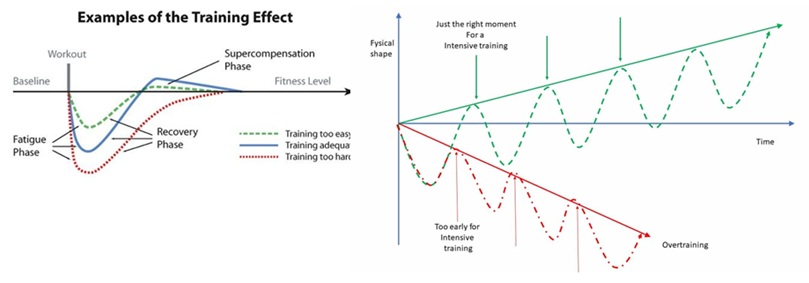
Figure 1. General adaptation syndrome and periodization in sports practice
2. Sleep
Sleep is a key component of human physiology. It is essential for the biopsychosocial development and the maintenance of cognitive and physical health both short- and long-term. In sports practice, it plays a criticalrole in training, recovery, performance, as well as the overall wellness of professional athletes (Cook & Charest, 2023). It is for this reason that it should not be neglected, as it is the basis of good recovery and quality supercompensation. For highquality sleep, not only its duration is important, but also it’s structure – enough time in deep (N3) and REM phases. Duration of sleep is highly individual and depends on age, sex, chronotype, behavior status, etc. The recommended sleep duration by the US National Sleep Foundation is 8-10h for adolescents (14 – 17 years); 7 to 9 hours for young adults (18 – 25 years) and 7 to 8 hours for older individuals. Research shows that professional athletes need an average of at least 8.3h of sleep to feel rest. However, more than 2/3 of them fall short by an hour or more (Sargent et al., 2021). Furthermore, data shows that elite athletes sleep over10 h per night. Focusing on the sleep architecture, the following distribution is obtained: 23.1% REM, 9.7% N1, 48.7% N2, and 18.5% N3 sleep stage which is less time in REM and N3 compared to non-athletes 25% of sleep time in REM stage, and 20% in N3 stage (Vlahoyiannis et al., 2021). This sleep disturbances in athletes could be explained by the intensive training regimen (overreaching and overtraining), pre-competition anxiety, busy daily schedule, etc.
The World Sleep Society recommends the usage of wearable consumer health trackers such as watches, rings, bracelets etc. for sleep monitoring in order to assess the duration and quality of sleep (Chee et al., 2025). There are several recommendations which can improve sleep in athletes. Blue light might decrease sleep quality and duration, which might worsen an athlete’s physical and cognitive performance and recovery, thus screen devices emitting blue light, e.g. mobile phones, tablet and laptops should be avoided in the hours prior to sleep (Silvani et al., 2022). Eating high glycemic index foods 4h prior sleep decreases the time for falling asleep. Foods that contain tryptophane (turkey, fish, milk, pumpkin seeds and others) or melatonine (tart cherry, kiwifruit, walnuts, etc) could improve the sleep quality. Caffeine should be avoided 6-8h before going to bed since it can delay the time for falling asleep (Abou-Khalil, 2025). Sleep regimen education and short daily naps (up to 25 minutes) are strongly recommended (Walsh et al., 2021).
3. Nutrition and hydration
Nutrition and hydration are an essential part of the recovery process in daily sports practice. The main goal of the athlete’s diet is to provide a good balance between the main macronutrients, as well as enough vitamins and micronutrients and to restore the glycogen storage after training and fuel it for the next one.
Water-electrolyte balance
The main goal of hydration is to facilitate normal physiological functioning and to compensate the fluid loss during exercise, which is mainly due to sweating, but also hyperventilation. The loss of 1% body weight because of dehydration is proven to affect performance negatively and a loss of 2%body weight is considered significant (Lanham-New et al., 2011). We could divide the proper hydration regimen in regards of sports physiology to fluid intake prior, during and after exercise. In the 30 minutes preceding the start of the training session, it is recommended to intake 1 – 2 glasses of water. During exercise different authors suggest a wide array of rehydrating regimens, ranging from around 0.5 L to 3 L per hour (Beck et al., 2015). Post-exercise hydration is usually based on weight loss, as most guidelines suggest that lost kilograms should be multiplied by a coefficient of 1.5 to determine the liters of water needed. There are several key factors that must be considered regarding fluid-electrolyte balance in athletes. First, ambient conditions (mostly temperature, but also altitude in some cases) play an important role and should be taken into account. Second, the fluid loss through sweating varies widely between individuals even if subjected to the same intensity training in the same ambient conditions. Generally it is recommended for team doctors to weigh all the players before and after training and establish individual approach. Last but not least, it should not be overlooked that sweat does not only contain water but also electrolytes which should be replenished as well. This concerns mostly sodium and chlorine and to a much lesser extent other minerals such as magnesium, potassium and calcium. It is preferable that individual electrolyte losses of each athlete are assessed and considered when establishing the water-electrolyte regimen.
Carbohydrates
Carbohydrates are the preferred “fuel” for energy and the macronutrient where we see the largest difference between the dietary regimen of athletes and regular people. The key factor when facilitating physical performance is glycogen depots loading which is known to take between 24 and 48 hours. There are two major storage tissues of glycogen – the liver, containing around 100 g and the muscles with approximately 5 times that amount. The classical paradigm of carb loading in sports nutrition involves 2 or 3 days “depletion” period with restricted carbohydrate and calorie intake followed by the same length period with increased intake to “load” the storage. Currently this pattern is not unanimously followed since it has its advantages but also disadvantages. Many skip the depletion phase. The loading of the glycogen storage is particularly important for endurance types of sport in which the competition game lasts longer than 90 min. For exercise sessions of less than that, especially less than an hour it provides no significant benefit. The amount of intake should of course be accustomed to the intensity of training, the individual basal metabolic rate and other factors, but the general rule is to consume 10 – 12 g of carbohydrate per kilogram of body mass in the 36 – 48 h period prior to competition. Similar intake is recommended in the post-exercise period – 10 g per kilogram within 24 h after the official game. There are additional models of carbohydrate loading immediately before competition with consumption of 1 g per kilogram body mass per hour up to 3-4 hours before the start. That is especially valuable in case food consumption during the game is not possible. It is worth mentioning that although fats provide more energy per gram as compared to carbohydrates, the latter are capable of providing more energy per time, so that is another factor to stress the importance of glycogen loading.
Protein
The main purpose of protein is for plastic needs, it plays an insignificant role as an energy “fuel” providing 5 – 10% of the total energy. Protein intake helps repair muscle damage, supports anabolism and suppresses catabolism in the muscle tissue. Regular intensive training requires increased amounts of protein intake. Recommended daily dosage ranges from 1, 2 to 1,7 grams per kg of body weight with some sources advising up to 2 g per kg for especially intensive training regimens. That is 50-100% higher than the recommendations for the general public. In terms of protein intake prior, during and after exercise, it seems that post-exercise protein intake plays the most important role. It is recommended that 20 – 25 grams of preferably whey protein are ingested within 30 – 40 min after exercise (Potgieter, 2013) A key factor when discussing protein is not only their quantity but also quality, that is, the presence of sufficient amount of indispensable amino acids, more easily obtained from animal sources.
Fat
The most significant feature of lipids in regards of sport nutrition is that they are the most energy dense which is especially important in endurance activities. Fat intake can contribute to decrease in carbohydrate utilization for energy and vice versa. Still, to provide conditions for a maximal performance balance is key. Although fats are not particularly necessary in the “metabolic window” right after exercise, their consumption is usually recommended to account for around 30% of the total energy utilized by the body. Athletes should be wary of the fat content in foods that are also rich in protein and consumed by them in greater quantities compared to the regular population. This includes mainly eggs, some types of meat and fish, dairy products which are not low-fat. Although increased dietary lipid intake is clearly proven to slow down the breakdown of carbohydrates for energy, an effect called “glycogen sparing”, there is no clear evidence that such a nutrition measure leads to increased performance (Lanham-New et al., 2011).
4. Cold water immersion
Cold water immersion (CWI) is a commonly used method in sports practice, where the body is submerged (partially or entirely) in cold water (8–20 °C, cold-water immersion [CWI]) for a period of 5 to 30 minutes (Moore et al., 2023). The mechanism of action of this method is associated with cold-induced vasoconstriction, suppressed inflammation and reducing secondary alterations in post-exercise swelling and oedema. This leads to lower DOMS (delayed onset muscle soreness) and physiological markers of muscle damage, like Creatine Kinase (CK) (Bleakley & Davison, 2010). CWI has been proved more effective than other recovery strategies regarding DOMS reduction 24 to 48h post-training. Wang et al. (2025) had found that different dosages of cold water immersion (varying in duration and temperature) had different effects on recovery from acute exercise-induced muscle damage. We found that Medium duration-low temperature-CWI (10 – 15 min, 5°C – 10°C) has been most effective for improving biochemical markers (CK) and neuromuscular recovery, while medium duration-medium Temperature-CWI (10 – 15 min, 11°C – 15°C) has been most effective for reducing muscle soreness (Wang et al., 2025).
However, it should be acknowledged that CWI may blunt training adaptations particularly for resistance based trainings due to suppression of inflammation and decreased production of growth factors, thus suppressing the anabolic effect of the training session. Therefore, CWI method is more efficient recovery tool for endurance or interval training and should be avoided after resistance training aiming at muscle growth.
Another recovery method using cold is cold air exposure (air cryotherapy), where athletes are exposed to air temperatures ranging from 85 to − 140 °C for short durations (2.5 – 3 minutes). It is suggested that extreme cold temperature could have beneficial effects for muscle performance, however other research suggest that it could decrease strength performance and induce muscle damage (Moore et al., 2023). Having in mind this controversy, the use of cryotherapy should be implemented with caution in sports practice.
5. Hot water and sauna
Warm water immersion (WWI) and sauna present another recovery strategies associated with hot temperature of the environment. In contrast to CWI, WWI does not suppress inflammation, but it has been proven that hot water immersion (38 to 42 degrees) for 25 minutes induces regenerative mechanisms and is more beneficial in improving muscle recovery after injury (Dablainville et al., 2025; Sautillet et al., 2024).
Sauna is a method known for centuries, which has become a popular recovery tool in many sports with an emphasis on those with high physical load. Sauna is shown to reduce muscle soreness, improve blood flow to tissues, reduce muscle tension, improve circulation, and provide better oxygenation to the peripheral tissues. In addition, sauna sessions trigger the release of endorphins, contributing to relaxation and stress relief, which are key to mental recovery. (Debicki et al., 2025). However, some research shows that sauna can decrease the performance on the next day and therefore, it should be avoided on days before high-intensity training sessions or competition (Skorski et al., 2020).
6. Active recovery and stretching
Despite the fact the stretching and active recovery are part of most training regimens, there is lack of evidence and controversy about their real effectiveness.
Stretching is usually prescribed as an essential component of the cool-down phase of the training session. The main goals are to enhance the range of motion (ROM), reduce muscle stiffness and delay DOMS. However many studies show that post-exercise stretching is not effective for improving recovery, not even reduce DOMS or if there are any benefits, they are short term and do not affect the long-term recovery and performance (Pernigoni, 2024). Recent meta-analysis showed that active static and passive stretching do not enhance recovery in comparison to rest or other methods such as cycling or CWI. There was even no improvement in blood parameters like lactate or creatine kinase. However, due to many methodological mistakes in most of the studies, the authors conclude that there is no clear evidence if stretching should be used or avoided in the post-exercise recovery period (Afonso et al., 2021).
Active recovery (AR) became very popular in the early 80s. It is another commonly used method to enhance post-exercise recovery that includes a variety of submaximal activities like running, cycling, swimming, jogging or active stretching. Light exercise is believed to improve muscle arterial blood flow, remove lactate and waste products, reduce muscle stiffness and DOMS. There are different techniques and activities that can be used for AR, but recent meta-analysis showed that the evidence of the effectiveness of AR is limited. Six to ten minutes AR is the only method to have consistent support (Ortiz et al., 2019). Focusing on high-intensity interval training, Perrier-Melo et al. (2021) even found that passive recovery results in greater performance than active one.
Thus, stretching and active recovery should not be excluded from training regimens, but should be applied with caution, since their effectiveness could be overestimated.
7. Compressive garments
Compressive garments (CG) provide mechanical pressure at the body’s surface, thereby supporting the underlying tissues. There are different types of clothes used as CG, however the most common examples include tights and calf sleeves. The exact mechanism of action is not well elucidated but potential benefits may include physical, physiological (attenuation of muscle oscillation, improved joint awareness, perfusion augmentation, support lymphatic drainage) or psychological effects (MacRae et al., 2011). The use of CG has been associated with improved recovery following exercise-induced muscle damage with faster decrease in biochemical parameters like creatine kinase (Brown et al., 2022) CG can benefit recovery after strength and resistance training from 2 to >24h. They can also enhance next-day endurance performance (e.g. cycling) (Brown et al., 2017). However, research shows that CG worn during physical exercise such as long-distance running do not increase performance and mostly provide a psychological effect (Wang et al., 2025).
In conclusion, the CG should be used as a recovery method after training associated with potential muscle damage, but not as a performance enhancement tools during physical exercise.
8. Recovery devices
A number of devices claiming to accelerate the recovery process by various mechanisms have been implemented in the modern sports practice. Intermittent dynamic compression (IDC) uses inflatable sleeves that rhythmically inflate and deflate to apply pressure to limbs, mimicking the natural muscle pump to improve circulation and lymphatic drainage and reduce swelling. Scientific data suggests that this method could lead to short-term relief of DOMS, but it is not effective of reducing exercise-induced muscle damage in elite endurance-trained athletes (Stedge & Armstrong, 2021).
Foam rolling is a type of self-massage cylindrical device which pretends to massage the fascia and deep muscles and to relief muscle stiffness, increase flexibility and blood flow. Evidence seems to justify the widespread use of foam rolling as a warm-up activity rather than a recovery tool, although it can reduce DOMS in a short-term manner (Pearcey et al., 2015).
Percussive therapy uses rapid, pulsing pressure (like from a massage gun) to deliver high-intensity vibrations deep into soft tissues, helping muscles to relax, improve blood flow, reduce soreness and stiffness and increase the range of motion. A recent systematic literature review proved the effectiveness of this method showing that percussive therapy can improve muscle strength, explosive strength, flexibility and reduce DOMS (Sams et al., 2023). Additionally, it is cheap and easily applicable which makes this method suitable to use in the daily sports practice.
Electric stimulation is a method in which electrodes attached to the muscles send electric impulses that mimic the impulses sent by the nervous system, triggering contraction, blood flow improvement and tissue repair. There are many different types of electric stimulation devices, such as TENS (transcutaneous electrical nerve stimulation), EMS (electrical muscle stimulation) and others. Systematic reviews show that electric stimulation could have some positive effects on biochemical parameters like lactate and creatine kinase and even decrease DOMS, but the majority of studies show no recovery effects (Babault et al., 2011).
9. Conclusion
Since recovery is an essential part of every training regimen, there are many tools and methods available that claim to enhance the recovery process. The most effective ones seem to be the sleep, nutrition and hydration, however others like CWI, WWI, compressive garments and percussive therapy also show promising results and should be implemented in the daily sports practice. The scientific data behind other methods like active recovery, stretching, intermittent dynamic compression, foam rolling and electric stimulation is still controversial and more research is needed to prove their effectiveness.
References
Abou-Khalil, R. (2025). Nutritional interventions for enhancing sleep quality: The role of diet and key nutrients in regulating sleep patterns and disorders. Food Science & Nutrition, 13(12), e71309. https://doi.org/10.1002/fsn3.71309.
Afonso, J., Clemente, F. M., Nakamura, F. Y., Morouço, P., Sarmento, H., Inman, R. A., & Ramirez-Campillo, R. (2021). The effectiveness of post-exercise stretching in short-term and delayed recovery of strength, range of motion and delayed onset muscle soreness: A systematic review and meta-analysis of randomized controlled trials. Frontiers in Physiology, 5(12), 677581. https://doi.org/10.3389/fphys.2021.677581.
Ahtiainen, J. P., Lehti, M., Hulmi, J. J., Kraemer, W. J., Alen, M., Nyman, K., Selänne, H., Pakarinen, A., Komulainen, J., Kovanen, V., Mero, A. A., & Häkkinen, K. (2011). Recovery after heavy resistance exercise and skeletal muscle androgen receptor and insulin-like growth factor-I isoform expression in strength trained men. National Strength & Conditioning Association, 25(3), 767 – 777. https://doi.org/10.1519/jsc.0b013e318202e449.
Babault, N., Cometti, C., Maffiuletti, N. A., & Deley, G. (2011). Does electrical stimulation enhance post-exercise performance recovery? European journal of applied physiology, 111(10), 2501 – 2507. https://doi.org/10.1007/s00421-011-2117-7.
Beck, K. L., Thomson, J. S., Swift, R. J., & von Hurst, P. R. (2015). Role of nutrition in performance enhancement and postexercise recovery. Open access journal of sports medicine, 6, 259 – 267. https://doi.org/10.2147/oajsm.s33605.
Bleakley, C. M., & Davison, G. W. (2010). What is the biochemical and physiological rationale for using cold-water immersion in sports recovery? A systematic review. British Association of Sport and Medicine, 44(3), 179 – 187. https://doi.org/10.1136/bjsm.2009.065565.
Brown, F., Gissane, C., Howatson, G., van Someren, K., Pedlar, C., & Hill, J. A. (2017). Compression garments and recovery from exercise: A meta-analysis. Sports medicine, 47(11), 2245 – 2267. https://doi.org/10.1007/s40279-017-0728-9.
Brown, F., Jeffries, O., Gissane, C., Howatson, G., van Someren, K., Pedlar, C., Myers, T. & Hill, J. A. (2022). Custom-fitted compression garments enhance recovery from muscle damage in rugby players. Journal of strength and conditioning research, 36(1), 212 – 219. https://doi.org/10.1519/jsc.0000000000003408.
Chee, M. W., Baumert, M., Scott, H., Cellini, N., Goldstein, C., Baron, K., Imtiaz, S. A., Penzel, T., & Kushida, C. A. (2025). World Sleep Society recommendations for the use of wearable consumer health trackers that monitor sleep. Sleep medicine, 131, 106506. https://doi.org/10.1016/j.sleep.2025.106506.
Cook, J. D. & Charest, J. (2023). Sleep and performance in professional athletes. Current sleep medicine reports, 9(1), 56 – 81. https://doi.org/10.1007/s40675-022-00243-4.
Dablainville, V., Mornas, A., Normand-Gravier, T., Al-Mulla, M., Papakostas, E., Olory, B., Fermin, T. M., Zampeli, F., Nader, N., Alhammoud, M., Bayne, F., Sanchez, A. M. J., Cardinale, M., Candau, R., Bernardi, H. & Racinais, S. (2025). Muscle regeneration is improved by hot water immersion but unchanged by cold following a simulated musculoskeletal injury in humans. The Journal of physiology, 603(23), 7603 – 7625. https://doi.org/10.1113/jp287777.
Debicki, F., Gradalski, L., Niemirka, S., Janiak, A., Dominiczak, K., Kopaczynska, A., & Zafranska, K. (2025). The impact of a sauna on post-exercise recovery. Quality in Sport. Online, 38, 58208. https://doi.org/10.12775/QS.2025.38.58208.
Lanham-New, S. A., Stear, S. J., Shirreffs, S. M., & Collins, A. L. (Eds.). (2011). Sports and exercise nutrition. The Nutrition Society.
MacRae, B. A., Cotter, J. D., & Laing, R. M. (2011). Compression garments and exercise: Garment considerations, physiology and performance. Sports Medicine, 41(10), 815 – 843. https://doi.org/10.2165/11591420-000000000-00000.
Moore, E., Fuller, J. T., Bellenger, C. R., Saunders, S., Halson, S. L., Broatch, J. R., & Buckley, J. D. (2023). Effects of cold-water immersion compared with other recovery modalities on athletic performance following acute strenuous exercise in physically active participants: A systematic review, meta-analysis, and meta-regression. Sports medicine, 53(3), 687 – 705. https://doi.org/10.1007/s40279-022-01800-1.
Ortiz, R. O. Jr., Elder, A. J. S., Elder, C. L. & Dawes, J. J. (2019). A systematic review on the effectiveness of active recovery interventions on athletic performance of professional-, collegiate-, and competitive-level adult athletes. Journal of strength and conditioning research, 33(8), 2275 – 2287. https://doi.org/10.1519/jsc.0000000000002589.
Pearcey, G. E., Bradbury-Squires, D. J., Kawamoto, J. E., Drinkwater, E. J., Behm, D. G., & Button, D. C. (2015). Foam rolling for delayed-onset muscle soreness and recovery of dynamic performance measures. Journal of athletic training, 50(1), 5 – 13. https://doi.org/10.4085/1062-6050-50.1.01.
Pernigoni, M., Calleja-González, J., Lukonaitienė, I., Tessitore, A., Stanislovaitienė, J., Kamarauskas, P., & Conte, D. (2024). Comparative effectiveness of active recovery and static stretching during post-exercise recovery in elite youth basketball. Research Quarterly for Exercise and Sport, 95(1), 272 – 280. https://doi.org/10.1080/02701367.2023.2195457.
Perrier-Melo, R. J., D’Amorim, I., Meireles Santos, T., Caldas Costa, E., Rodrigues Barbosa, R., & Cunha Costa, M. (2020). Effect of active versus passive recovery on performance-related outcome during high-intensity interval exercise. The Journal of sports medicine and physical fitness, 61(4), 562 – 570. https://doi.org/10.23736/s0022-4707.20.11070-3.
Potgieter, S. (2013). Sport nutrition: A review of the latest guidelines for exercise and sport nutrition from the American College of Sport Nutrition, the International Olympic Committee and the International Society for Sports Nutrition. South African Journal of Clinical Nutrition, 26(1), 6 – 16. https://doi.org/10.1080/16070658.2013.11734434.
Sams, L., Langdown, B. L., Simons, J. & Vseteckova, J. (2023). The effect of percussive therapy on musculoskeletal performance and experiences of pain: A systematic literature review. International journal of sports physical therapy, 18(2), 309 – 327. https://doi.org/10.26603/001c.73795.
Sargent, C., Lastella, M., Halson, S. L. & Roach, G. D. (2021). How much sleep does an elite athlete need? International journal of sports physiology and performance, 16(12), 1746 – 1757. https://doi.org/10.1123/ijspp.2020-0896.
Sautillet, B., Bourdillon, N., Millet, G. P., Lemaître, F., Cozette, M., Delanaud, S., Ahmaïdi, S., & Costalat, G. (2024). Hot water immersion: Maintaining core body temperature above 38.5°C mitigates muscle fatigue. Scandinavian journal of medicine & science in sports, 34(1), e14503. https://doi.org/10.1111/sms.14503.
Selye, H. (1950). Stress and the general adaptation syndrome. British medical journal, 1(4667), 1383 – 1392. https://doi.org/10.1136/bmj.1.4667.1383.
Silvani, M. I., Werder, R., & Perret, C. (2022). The influence of blue light on sleep, performance and wellbeing in young adults: A systematic review. Frontiers in physiology, 13, 943108. https://doi.org/10.3389/fphys.2022.943108.
Skorski, S., Schimpchen, J., Pfeiffer, M., Ferrauti, A., Kellmann, M., & Meyer, T. (2019). Effects of postexercise sauna bathing on recovery of swim performance. International journal of sports physiology and performance, 15(7), 934 – 940. https://doi.org/10.1123/ijspp.2019-0333.
Stedge, H. L., & Armstrong, K. (2021). The effects of intermittent pneumatic compression on the reduction of exercise-iInduced muscle damage in endurance athletes: A critically appraised topic. Journal of sport rehabilitation, 30(4), 668 – 671. https://doi.org/10.1123/jsr.2020-0364.
Thomas, K., Brownstein, C. G., Dent, J., Parker, P., Goodall, S., & Howatson, G. (2018). Neuromuscular fatigue and recovery after heavy resistance, jump, and sprint training. Medicine and science in sports and exercise, 50(12), 2526 – 2535. https://doi.org/10.1249/mss.0000000000001733.
Turner, A. (2011). The science and practice of periodization: A brief review. Strength and Conditioning Journal, 33(1), 34 – 46. https://doi.org/10.1519/SSC.0b013e3182079cdf.
Vlahoyiannis, A., Aphamis, G., Bogdanis, G. C., Sakka,s G. K., Andreou, E., & Giannaki C. D. (2021). Deconstructing athletes’ sleep: A systematic review of the influence of age, sex, athletic expertise, sport type, and season on sleep characteristics. Journal of sport and health science, 10(4), 387 – 402. https://doi.org/10.1016/j.jshs.2020.03.006.
Walsh, N. P., Halson, S. L., Sargent, C., Roach, G. D., Nédélec, M., Gupta, L., Leeder, J., Fullagar, H. H., Coutts, A .J., Edwards, B. J., Pullinger, S. A., Robertson, C. M., Burniston, J. G., Lastella, M., Le Meur, Y., Hausswirth, C., Bender, A. M., Grandner, M. A., & Samuels, C. H. (2021). Sleep and the athlete: Narrative review and 2021 expert consensus recommendations. British journal of sports medicine, 55(7), 356 – 368. https://doi.org/10.1136/bjsports-2020-102025.
Wang, W., Wang, Y., Zhang, Y., Si, D., Li, X., Liang, Q., Li, Q,. Huang, L., Wei, S., & Liu, Y. (2025). Do compression garments enhance running performance? An updated systematic review and meta-analysis. Journal of sport and health science, 14, 101028. https://doi.org/10.1016/j.jshs.2025.101028.